Climate Safe Homes
The Climate Safe Homes pilot supported healthy indoor temperatures for households on low incomes through energy upgrades.
Climate Safe Homes (CSH) was an energy‑upgrade pilot delivered between 2020 and 2025 by the Brotherhood of St. Laurence’s Climate Change and Energy team. It aimed to improve indoor temperatures for health, for households with low-income, where residents had temperature‑sensitive health conditions. CSH delivered 148 upgrades in 126 homes, including 74 reverse-cycle air-conditioners, 67 solar upgrades and 7 insulation upgrades.
Click into the topics below to learn more about the program design, outcomes and lessons learnt.
Share

CSH addressed problems of poor health, poor housing conditions, and energy‑related financial hardship.
Learn more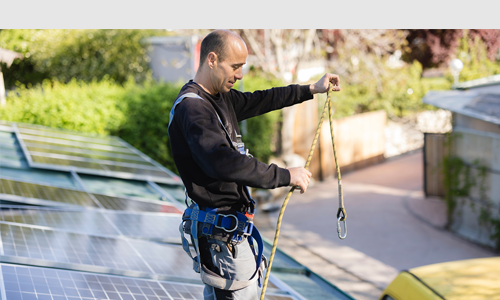
Climate Safe Homes delivered 148 upgrades in 126 homes.
Learn more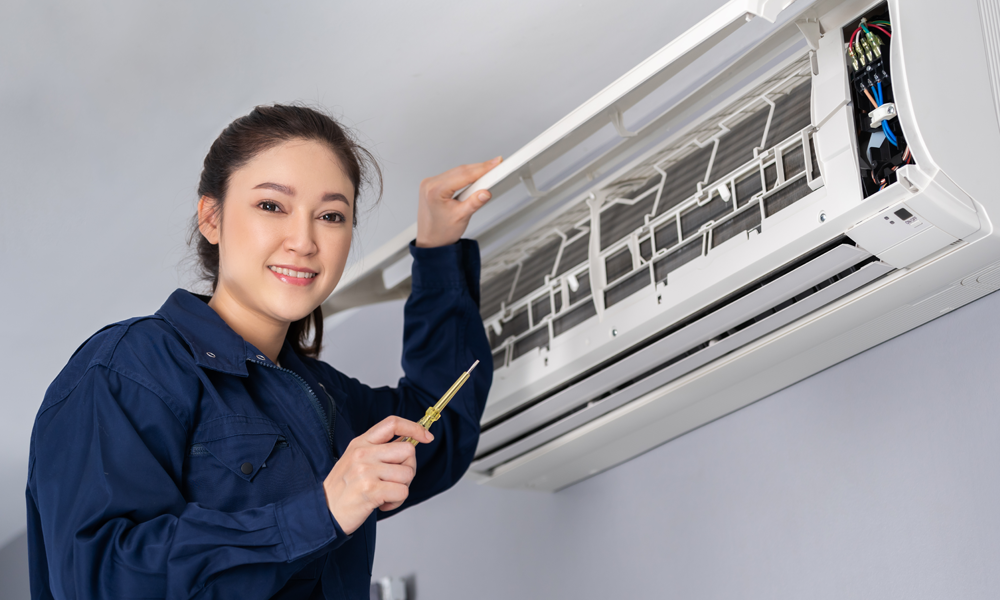
Indoor temperatures in the main living area of the home were reported as improved for 89 per cent of participants.
Learn more
Upgrades worth a total of $928,657 were delivered, leading to reduced energy bills.
Learn more
Eighty per cent of participants reported maintained or improved health after receiving their energy upgrades.
Learn more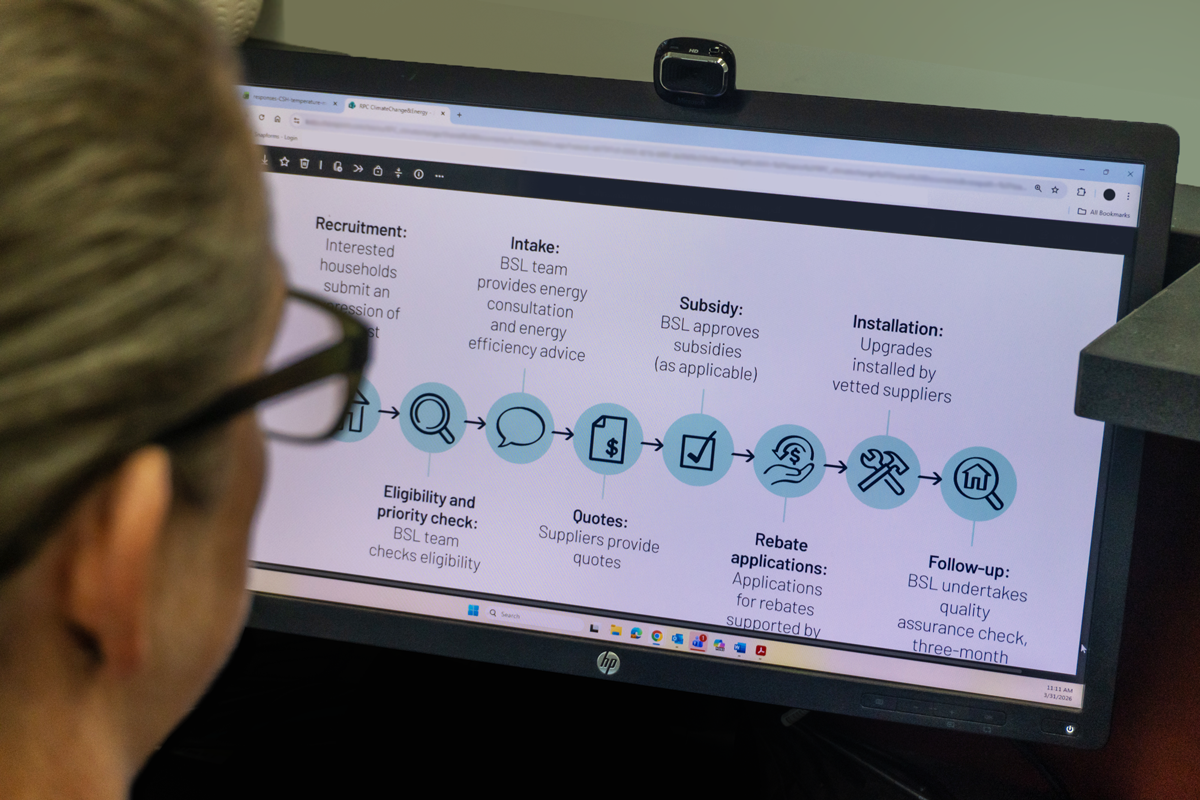
The Climate Safe Homes pilot developed a scalable service model to improve indoor temperatures.
Learn more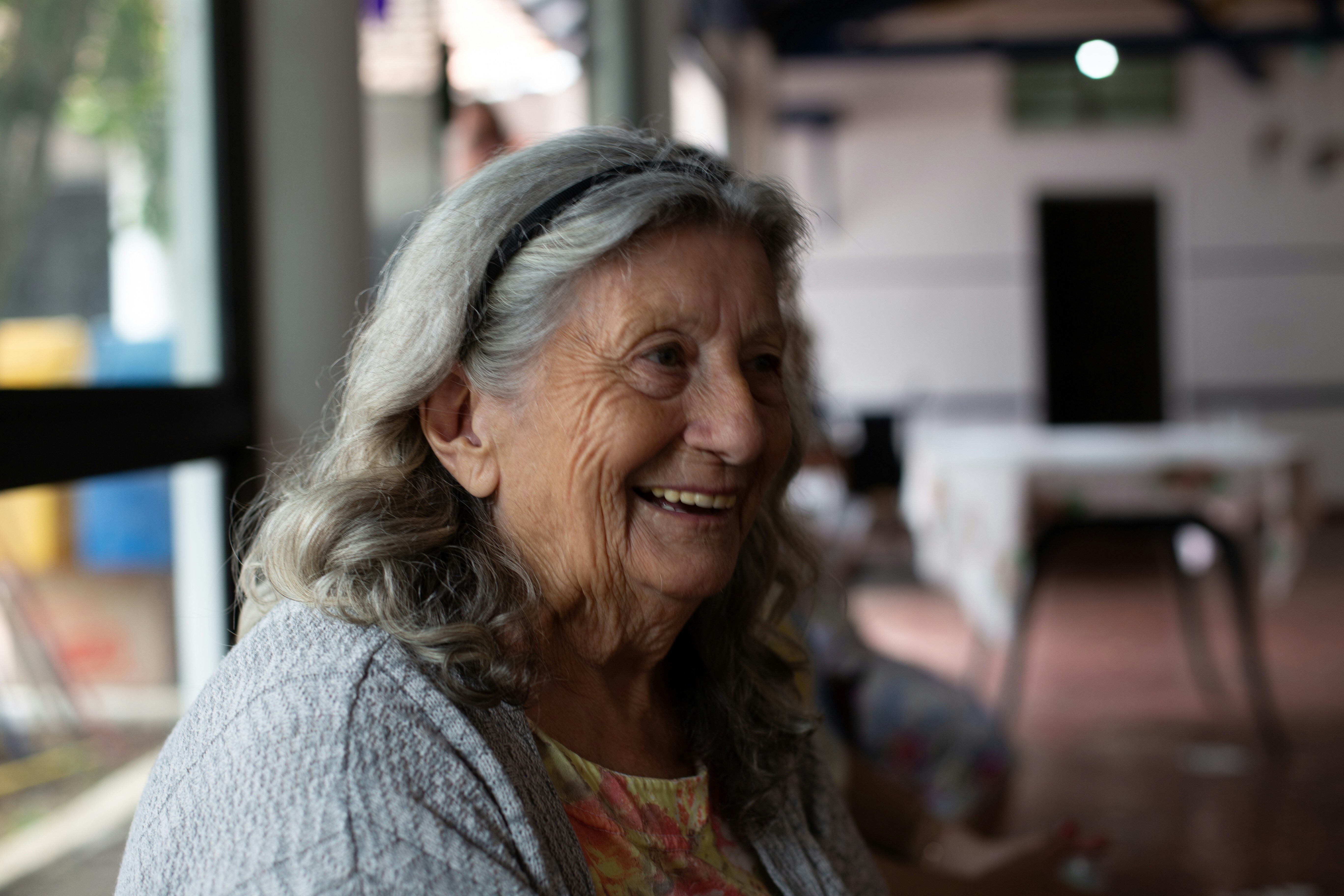
BSL prioritised support based on the energy efficiency of the home, resident health and financial capacity.
Learn more
Lessons from Climate Safe Homes can provide guidance for future service delivery models.
Learn more