I am Australia
Uncle John Baxter reflects on the importance of identity, education and recognising the diversity of First Nations cultures.
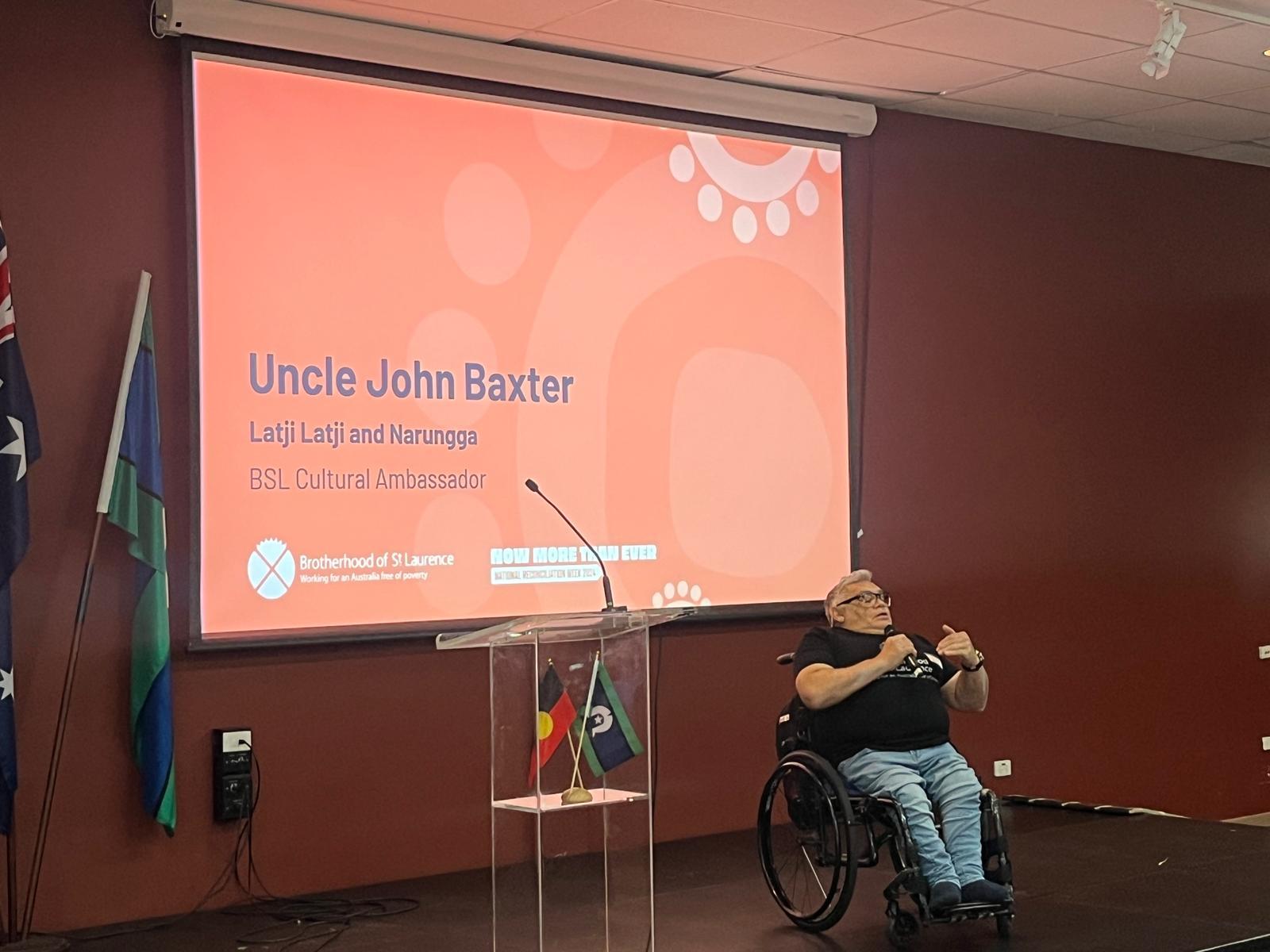
Back in the day, one of the more interesting school excursions I recall was going to the Natural History Museum, which was at the State Library.
Various exhibits, including detailed dioramas, helped paint a three-dimensional visualisation of Australia’s history and did their best to communicate the existence of First Nations people, featuring iconic items related to Aboriginal Australia.
While they acknowledged the existence of First Nations people, I realised as I grew older, those dioramas may not have had the required provenance--not even close--to accuracy, connecting specific artefacts to their songline.
There were more than 250 distinct First Nations groups across these lands and waterways prior to white European colonisation.
We are many, many countries with many languages.
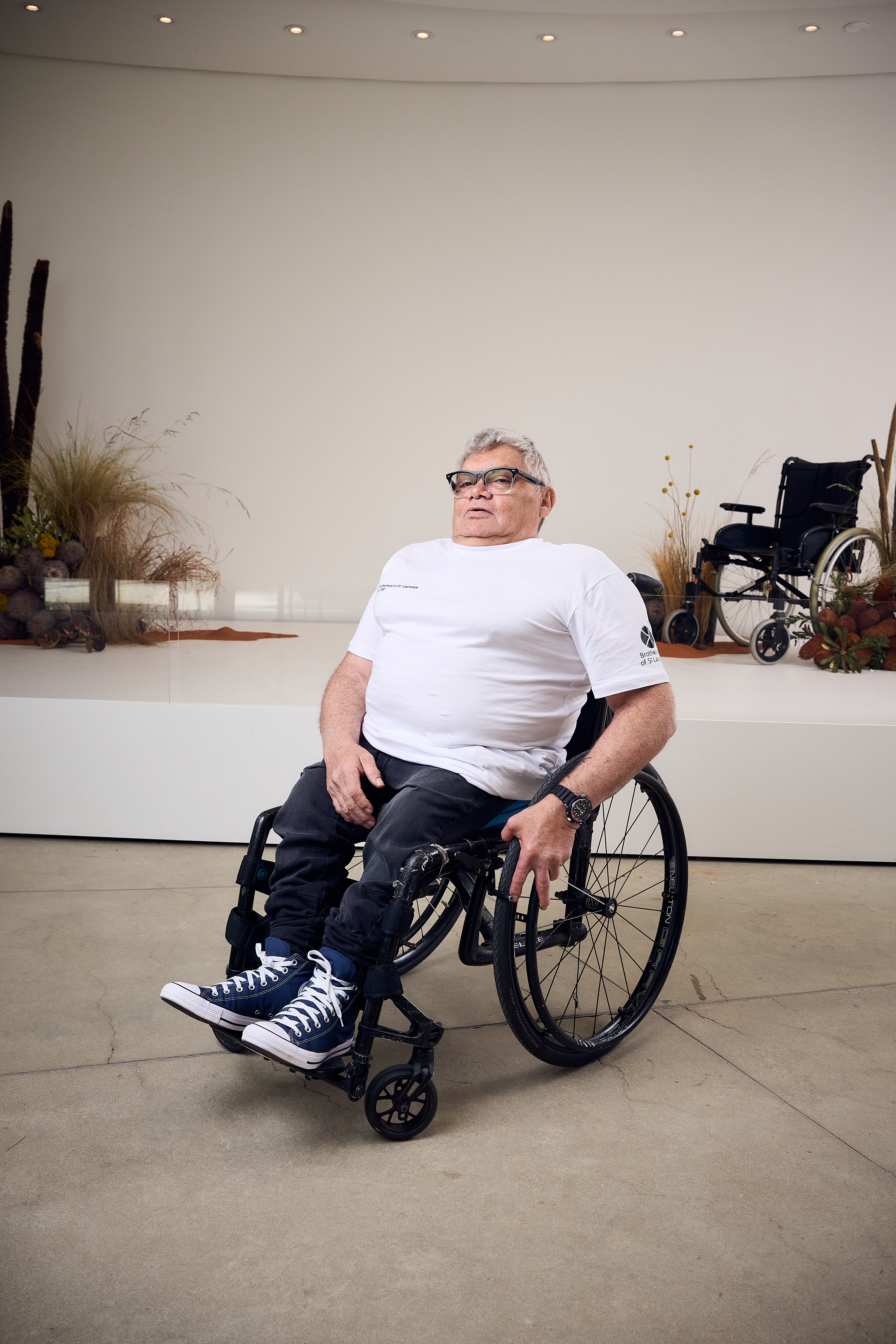
As such, and as is the case with modern-day countries around the world, it is important to understand whether a boomerang, didgeridoo or other item is related to the Country being represented or referred to.
The didgeridoo and the boomerang are iconic and rightly celebrated. But we cannot continue to hold up and refer to First Nations items in the singular context.
If you identify as First Nations, you have mob, you have Country, you have language. Your culture differs from other cultures and countries, even if only slightly.
The richness and diversity of First Nations culture is critical to personal identity, to healing, to understanding First Nations affairs, culture, history and significance.
I’ve attended many cultural day events and watched someone hand over the Aboriginal and/or the Torres Strait Island flag, invite them to colour the flag/s in, and tell a story, which may have nothing to do with that person’s Country--maybe not the storyteller’s either--and it is critical we continue to move deeper than this as we move forward.
When I started searching, there was nowhere for me to find any information to support my journey towards understanding my identity, and, while looking at those dioramas left a lasting impression, I felt like an outsider looking in.
It is so important that we continue to build and improve resources for First Nations peoples to understand who their mob are and our distinct cultures.
Having now worked on projects with both Melbourne Museum and Australia Museum, I have a greater appreciation for the provenance of any item included in an exhibition and am pleased to note the great research and care that goes into making sure exhibits and artefacts are appropriately referenced, understanding the way provenance is determined and how most of the artefacts have the branding of the owner from a specific mob.
This information is out there and continually better understood and respected. But we must continue to deepen our understanding, so we can all move forward.
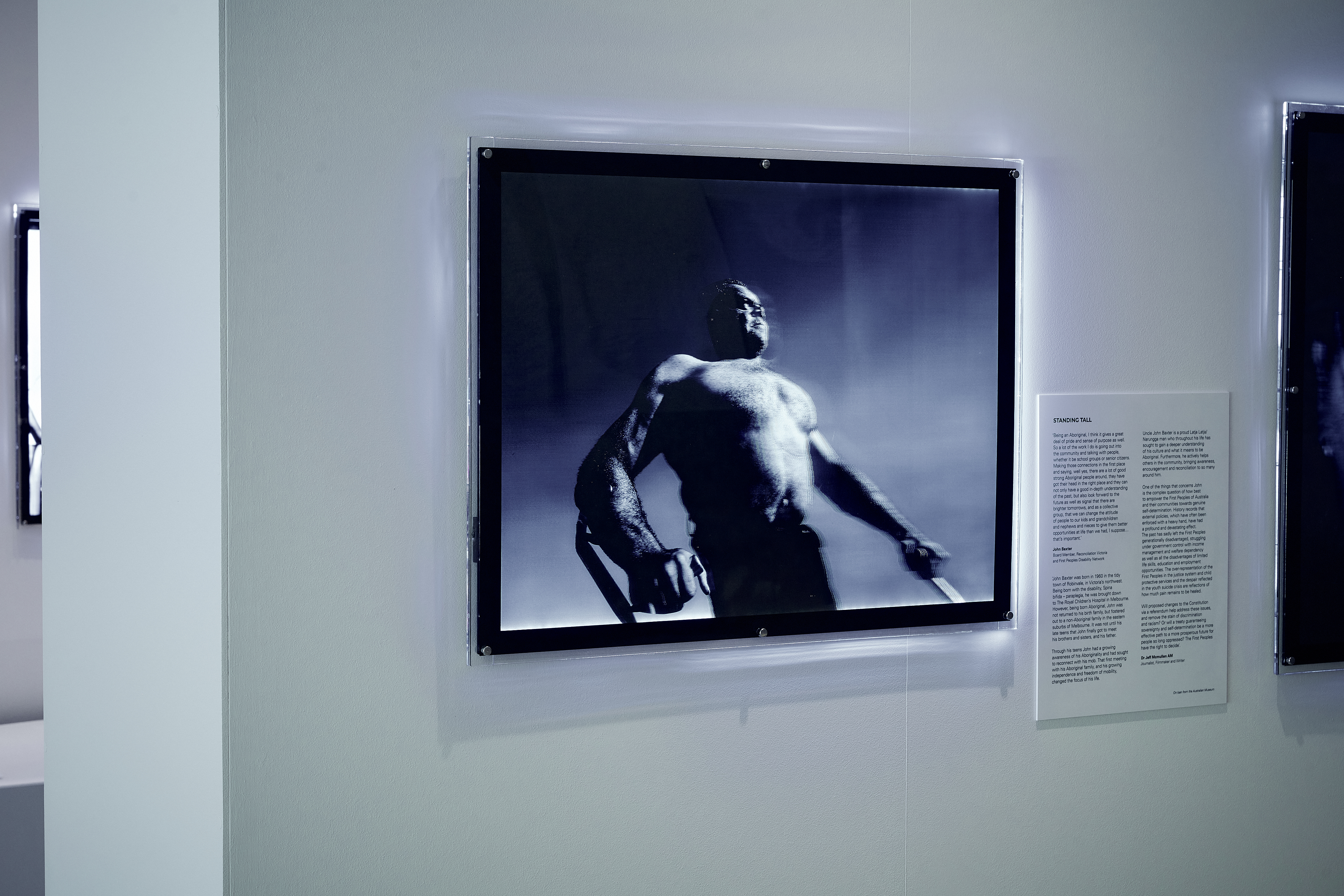
Where I live in the City of Whitehorse, despite decades of advocacy work, there are no permanent markers acknowledging the fact that First Nations mob/communities lived, worked, played, connected with the natural resources in Whitehorse.
Without change, generations will have little to no idea that there were First Nations people living in, utilising and caring for this part of Country. With this trend, language will be lost, future generations will lose interest and the culture will die. It’s not the legacy we want.
Victoria’s Treaty is important to changing this, with its commitments to including First Nations perspectives in the curriculum and place-naming through Gellung Warl .
Victoria’s Treaty process is also indicative of the diversity of First Nations, with specific local Treaties being negotiated with Traditional Owner groups.
Treaty and Gellung Warl will help future generations grow up with the resources available to know who they are and why where they are is special.
This is an opportunity for allies too, to learn and grow and connect to deepen your own understanding, so you can lead by example and enrich your own experiences.
Continued progress towards Reconciliation , with self-determination at its core, is an opportunity for everyone to connect more, with Country and with each other.
Through a shared commitment to learning, progress and ongoing respect, we can move forward together.
Uncle John Baxter,
BSL Cultural Ambassador
Share
Latest news
Uncle John Baxter reflects on the importance of identity, education and recognising the diversity of First Nations cultures.
Read article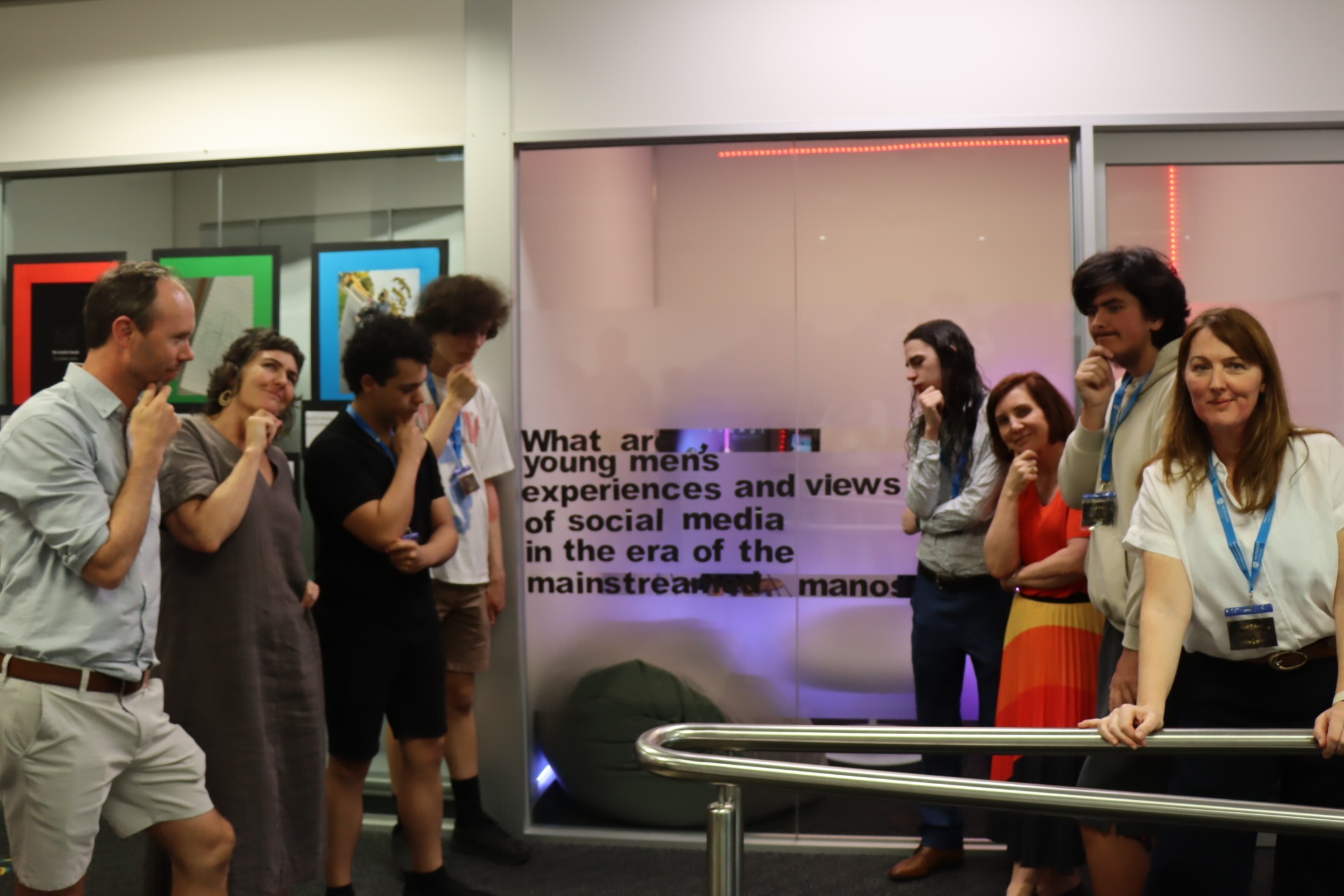
Five David Scott School students had their reflections on Seeing the Manosphere on show at the Frankston Thrive Hub in a joint exhibition with Monash University PhD student Renee Molloy that was attended by Member for Dunkley Jodie Belyea.
Read article
Three years running, and what a show! Hunter Gatherer returned to Melbourne Fashion Week with a stunning new collection, closing the Cult Status Runway at the iconic State Library Victoria.
Read article